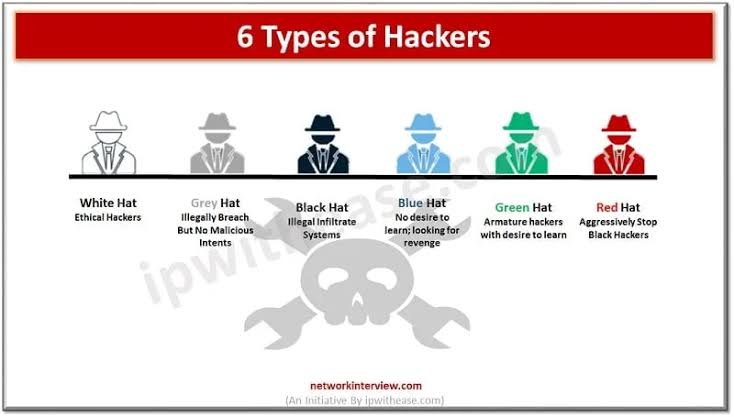
When most people hear the word “hacker,” they imagine someone sitting behind a computer, breaking through complicated security systems and searching for valuable secrets. While sophisticated attacks certainly happen, the reality of cybercrime is often much broader.
Hackers and cybercriminals are looking for anything that can provide value. Sometimes that value is obvious, such as money or credit card information. In other cases, the target is less visible: a password, an email account, personal information, access to a business network, or even information that can be used to attack someone else.
The important thing to understand is that you don’t have to be rich, famous, or run a large company to become a target. Cybercriminals can use automated tools to search for vulnerable accounts, devices, and systems on a massive scale.
A single stolen password may be enough to begin a much larger attack.
So, what exactly are hackers looking for when they attack?
Money and Financial Information
Money remains one of the biggest motivations behind cybercrime.
Hackers may target online banking accounts, payment cards, digital wallets, investment accounts, and other financial services.
However, criminals don’t always need direct access to a bank account to make money.
They may steal payment information and sell it to other criminals. They may use stolen identities to commit fraud. They may compromise shopping accounts containing stored payment details. They may also use personal information to create convincing scams.
Financial information is particularly valuable because it can often be converted into immediate profit.
Credit and debit card information
Payment card details can be stolen through phishing websites, malware, compromised online stores, fraudulent applications, or other methods.
A victim may not realize their information has been stolen until an unfamiliar transaction appears on their account.
This is why regularly reviewing financial statements and transaction notifications is an important part of personal cybersecurity.
Banking credentials
Online banking usernames and passwords are valuable targets because they can provide direct access to financial services.
Attackers may attempt to steal these credentials through phishing, malicious software, fake banking websites, or social engineering.
Never provide banking credentials in response to an unexpected message or phone call.
If you need to access your bank, use the official app or website directly.
Passwords
Passwords may appear simple, but they are extremely valuable to cybercriminals.
A single password can provide access to an account containing valuable information.
The bigger problem occurs when people reuse passwords.
Suppose someone uses the same password for a shopping account, email account, and social media account.
If that password is exposed through one service, attackers may try it on the others.
This technique can allow criminals to turn one compromised account into multiple compromised accounts.
Why your email password is especially important
Your email account can be more valuable than many other accounts because it may be connected to password recovery.
If an attacker gains access to your email, they may be able to request password resets for other services.
They could potentially gain access to social media, shopping accounts, cloud storage, and other services.
This is why your primary email account should have a unique password and strong multifactor authentication.
Personal Information
Hackers aren’t always looking for passwords or money.
Personal information can also be extremely valuable.
This may include:
- Full names
- Dates of birth
- Phone numbers
- Email addresses
- Home addresses
- Employment information
- Family details
- Identification information
- Personal photographs
- Location information
A single piece of information may not seem particularly important.
But criminals can combine information from different sources to create a detailed profile of a victim.
This information can then be used for identity theft, fraud, impersonation, phishing, and social engineering.
Your Identity
Identity theft is another major reason criminals seek personal information.
An attacker may collect enough information to impersonate another person.
The objective could be opening fraudulent accounts, conducting financial transactions, obtaining services, or creating additional scams.
Identity information can also be sold to other criminals.
This means your personal information can remain valuable even after the original attack is over.
Protecting your identity therefore requires more than protecting your credit card.
Think carefully about how much personal information you publish online.
Public social media profiles, professional profiles, and other online accounts can reveal information that criminals may use to create convincing impersonation attempts.
Email Accounts
Email accounts are among the most attractive targets for hackers.
Why?
Because email is often the central connection between many online services.
Your email inbox may contain:
- Password-reset messages
- Financial information
- Personal conversations
- Business documents
- Purchase confirmations
- Travel information
- Account notifications
- Identification documents
An attacker who gains access to your email may be able to search through old messages for sensitive information.
They may also attempt to reset passwords for other accounts.
In some cases, criminals can use a compromised email account to impersonate the victim and target friends, coworkers, customers, or business partners.
Protecting your email account should therefore be one of your highest cybersecurity priorities.
Social Media Accounts
Social media accounts can also be valuable targets.
A compromised account gives criminals access to your contacts, conversations, photographs, and personal information.
More importantly, attackers can use the account to impersonate you.
They may send fraudulent messages to your friends and family or post malicious links.
For businesses and public figures, compromised social media accounts can also create significant reputational damage.
Use strong, unique passwords and multifactor authentication on social media accounts.
Review account recovery information regularly and be careful about suspicious login notifications.
Business Information
Businesses hold enormous amounts of valuable information.
Hackers may target:
- Customer databases
- Employee information
- Financial records
- Intellectual property
- Business plans
- Contracts
- Internal communications
- Login credentials
- Software source code
- Confidential documents
Some attackers want to steal this information and sell it.
Others use it as leverage in extortion attacks.
For example, criminals may steal sensitive corporate data and threaten to publish it unless the company pays money.
This is one reason ransomware and data-extortion attacks can be so damaging.
Customer Data
Customer information can be particularly valuable because businesses may hold information about thousands or millions of people.
Depending on the organization, customer records may include names, contact information, payment details, account information, addresses, purchase histories, or other sensitive data.
Hackers may attempt to steal this information during a data breach.
Once stolen, it can potentially be used for identity theft, phishing, fraud, and targeted scams.
Customers should therefore take data-breach notifications seriously.
If a company tells you that your information may have been exposed, follow the recommended security steps promptly.
Access to Corporate Networks
Sometimes hackers aren’t interested in the information they can immediately see.
They want access to a larger system.
A compromised employee account can potentially provide access to internal applications, databases, file servers, communication systems, or other corporate resources.
This is why attackers often target employees through phishing and social engineering.
They may try to steal a single employee’s credentials and use them as a starting point.
From there, they may attempt to move deeper into the network.
Businesses can reduce this risk through multifactor authentication, least-privilege access, network segmentation, endpoint security, and continuous monitoring.
Remote Access Credentials
Remote work has created another valuable target: remote-access systems.
Employees may use virtual private networks, remote desktop services, cloud applications, collaboration platforms, and other tools to access company resources from outside the office.
If an attacker obtains valid credentials for one of these systems, they may be able to access internal resources.
Organizations should protect remote access with strong authentication, appropriate access controls, monitoring, and security policies.
Unused accounts and unnecessary remote-access services should also be removed.
Authentication Codes
People often think that a password is the only thing criminals want.
That’s not always the case.
Attackers may also attempt to obtain temporary authentication codes.
For example, a criminal may pretend to be a bank employee and ask you to provide a verification code sent to your phone.
The attacker may actually be attempting to use that code to complete a login or transaction.
A legitimate security code should never be shared with someone simply because they claim to be from a trusted organization.
Treat authentication codes as sensitive information.
Cookies and Session Information
Modern websites often use session information to remember that you’ve already logged in.
Certain forms of stolen session information can potentially allow attackers to impersonate an authenticated user.
This means cybersecurity isn’t only about protecting passwords.
Users should also keep their browsers and operating systems updated, avoid suspicious software and extensions, and protect the devices used to access sensitive accounts.
Organizations should implement appropriate session-management and authentication protections as well.
Cryptocurrency and Digital Assets
Cryptocurrency accounts and digital wallets can be attractive targets because digital assets may be transferred quickly.
Attackers may attempt to steal wallet credentials, recovery information, or access to cryptocurrency platforms.
They may also use social engineering to convince victims to transfer assets voluntarily.
Scammers frequently create fake investment opportunities or impersonate support staff.
Be extremely cautious when someone unexpectedly asks for cryptocurrency, recovery phrases, private keys, or remote access to your device.
Intellectual Property
For businesses, some of the most valuable information isn’t financial information.
It may be intellectual property.
This can include:
- Product designs
- Research
- Software source code
- Engineering information
- Trade secrets
- Business strategies
- Proprietary technologies
Competitors, criminals, or other malicious actors may have an interest in obtaining this information.
A successful theft can cause long-term competitive and financial damage.
Companies should classify sensitive information, restrict access, monitor unusual activity, and protect critical systems with multiple security layers.
Information About Employees
Employee information can also be useful to attackers.
Criminals may use employee names, job titles, email addresses, phone numbers, and organizational structures to create targeted phishing attacks.
For example, knowing that a particular employee works in finance may allow an attacker to create a more convincing message requesting an urgent payment.
This is why employee awareness training is so important.
People should understand that publicly available information can sometimes be used to make scams more convincing.
Information About Your Family and Friends
Cybercriminals may also collect information about people connected to you.
If an attacker knows the names of your family members, their relationships to you, or where they live, they may be able to create highly personalized scams.
A criminal might impersonate a family member and claim to need emergency financial assistance.
They could also use information about your relationships to make phishing messages seem more believable.
Avoid publicly sharing unnecessary information about other people.
Your Location
Location information can also be valuable.
Social media posts, photographs, mobile applications, and other digital services can reveal where you live, work, travel, or spend time.
Criminals can potentially use this information for targeted scams or other malicious activities.
Think carefully before publicly sharing your exact location, travel plans, or daily routines.
Your Online Behavior
Hackers may be interested not only in who you are, but also in what you do online.
Your browsing habits, purchases, interests, and online interactions can provide useful information for social engineering.
For example, if criminals know that you recently purchased a particular product, they may create a fake delivery message related to that purchase.
The more relevant the message appears, the more likely someone may be to trust it.
This is why personalized phishing can be so effective.
Information From Old Accounts
Old online accounts may seem unimportant.
However, they can still contain personal information, old passwords, email addresses, photographs, and other data.
Unused accounts can also create security risks if they have weak or outdated passwords.
Review old accounts periodically.
Delete accounts you no longer need when possible.
For accounts that must remain active, update passwords and enable available security protections.
Access to Your Contacts
Contacts can be extremely valuable to cybercriminals.
If an attacker compromises an email or social media account, they may gain access to a list of people connected to the victim.
They can then use the compromised account to send convincing messages to those contacts.
Because the messages come from an account the recipient already trusts, the chances of success may increase.
This creates a chain reaction in which one compromised account becomes the starting point for additional attacks.
Why Hackers Target Ordinary People
One of the biggest misconceptions about cybercrime is that ordinary people aren’t valuable targets.
In reality, criminals often prefer attacks that can be automated.
They don’t necessarily need to know who you are.
An automated system can send phishing messages to thousands of people and wait for a small percentage to respond.
If even a few victims provide valuable information, the campaign can become profitable.
This means being an ordinary internet user doesn’t make you invisible.
Your accounts, information, and devices may still have value.
How to Make Yourself a Less Attractive Target
You cannot guarantee that you’ll never experience a cyber attack.
But you can make attacks much harder to succeed.
Start by protecting your most important accounts.
Use unique passwords and enable multifactor authentication.
Keep your operating system, browser, and applications updated.
Be cautious with unexpected messages, attachments, links, and phone calls.
Never share authentication codes simply because someone asks for them.
Monitor financial accounts regularly.
Review login notifications and account activity.
Limit the amount of personal information you share publicly.
Back up important files.
And remember that urgency is one of a scammer’s most powerful tools.
If someone pressures you to act immediately, slow down.
What to Do If You Think a Hacker Has Targeted You
If you notice suspicious activity, take action quickly.
If an account may have been compromised, change the password and enable multifactor authentication.
If you’ve used the same password elsewhere, change it on those accounts too.
Review recent account activity and look for unfamiliar devices, logins, transactions, or settings changes.
If your financial information may have been compromised, contact your bank or financial institution through an official communication channel.
If your identity information has been stolen, take appropriate identity-protection and recovery steps.
Don’t assume that a small warning sign isn’t important.
Early detection can limit the damage caused by a cyber attack.
The Real Value of Your Data
One of the most important lessons in cybersecurity is that almost every piece of digital information can have value.
A password can open an account.
An email address can become the starting point for a phishing campaign.
A phone number can be used for impersonation.
A photograph can provide information about your location or identity.
A customer record can be sold.
A business document can become leverage in an extortion attack.
Even information that seems insignificant can become valuable when combined with other data.
That’s why protecting your information requires a complete approach rather than focusing on a single threat.
Conclusion
So, what are hackers looking for when they attack?
They may be looking for money, passwords, personal information, financial details, email accounts, social media profiles, business documents, customer records, authentication codes, cryptocurrency, corporate network access, or intellectual property.
But the deeper answer is that hackers are looking for opportunities.
They look for weaknesses they can exploit and information they can turn into money, access, influence, or leverage.
That is why cybersecurity is important for everyone.
You don’t need to have millions of dollars in the bank or work for a major corporation to have something worth protecting.
Your identity, accounts, personal information, photographs, conversations, and digital relationships all have value.
The best defense is awareness combined with good security habits.
Use unique passwords. Enable multifactor authentication. Keep your devices updated. Protect your email account. Be skeptical of unexpected requests. Limit what you share publicly. Monitor your accounts and act quickly when something seems wrong.
The more valuable your digital information becomes, the more important it is to understand what criminals are looking for—and to make it as difficult as possible for them to find it.